

Modern Ceilings on a Smart Budget
What Drives the Final Price
Materials at a Glance
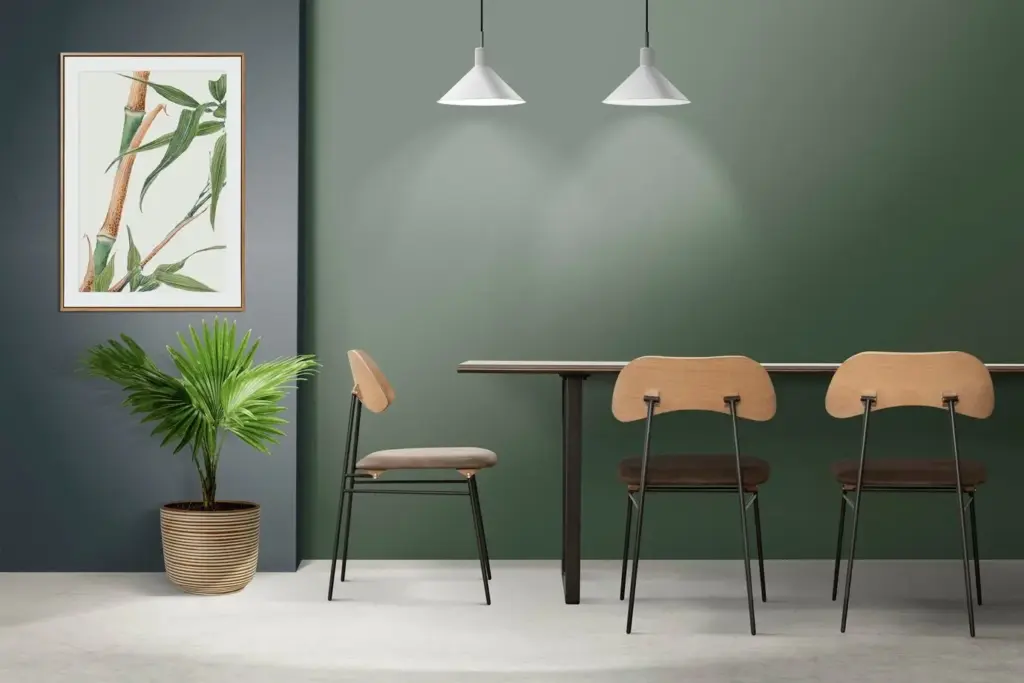
Typical material-only ranges often look like this: drywall around $0.60–$1.20 per square foot, modular panels $1.50–$4.00, and wood or engineered planks roughly $2.50–$8.00, though premium species climb higher. Installed totals might run about $2.50–$5.00 for drywall, $3.00–$7.00 for panels, and $5.50–$15.00 for planks. Regional pricing, shipping, and finish quality can significantly shift these figures, so verify locally.
Labor and Time Reality
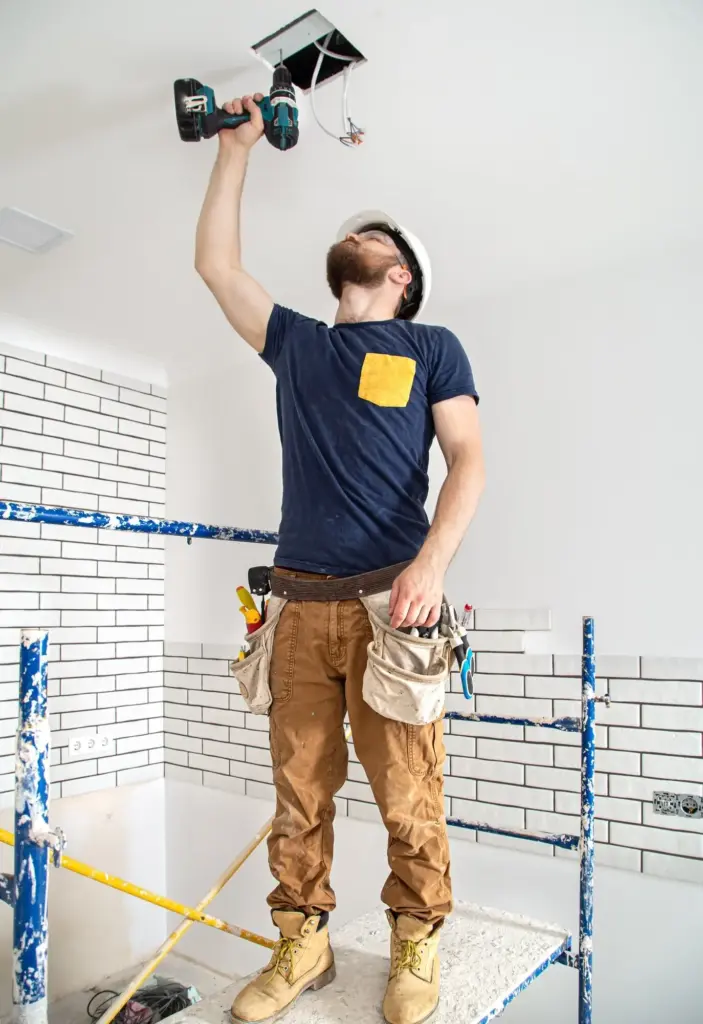
Typical material-only ranges often look like this: drywall around $0.60–$1.20 per square foot, modular panels $1.50–$4.00, and wood or engineered planks roughly $2.50–$8.00, though premium species climb higher. Installed totals might run about $2.50–$5.00 for drywall, $3.00–$7.00 for panels, and $5.50–$15.00 for planks. Regional pricing, shipping, and finish quality can significantly shift these figures, so verify locally.
The "Invisible" Extras
Typical material-only ranges often look like this: drywall around $0.60–$1.20 per square foot, modular panels $1.50–$4.00, and wood or engineered planks roughly $2.50–$8.00, though premium species climb higher. Installed totals might run about $2.50–$5.00 for drywall, $3.00–$7.00 for panels, and $5.50–$15.00 for planks. Regional pricing, shipping, and finish quality can significantly shift these figures, so verify locally.
Design Choices That Shift Costs

DIY or Hire Pros?
Longevity and Total Cost of Ownership
Cleaning and Maintenance Rhythm
Smooth drywall wipes easily once cured and painted with washable finishes. Panels, especially PVC or laminate, shrug off splashes and fingerprints, ideal for kitchens and entry corridors. Planks need dusting and occasional resealing depending on species and exposure. Choose finishes that match reality, not aspiration. If little hands, pets, or renters share your space, predictable cleanup routines will quietly earn their keep every month.
Refinishing and Updates Over Time
Drywall invites color refreshes without replacing the surface. Panels can be swapped selectively to fix damages or introduce texture changes. Planks accept stains or clear coats to evolve tone with trends. Budget occasional refreshes so your modern ceiling stays modern. A small reserve for touch-ups, new trim, or subtle lighting shifts helps your design respond gracefully to new furniture and life phases.
Access for Repairs and Future Upgrades
Panels shine when you need to reach valves, junction boxes, or low-voltage hardware, keeping maintenance costs predictable. Drywall can include discreet access hatches, but frequent service still means cutting and patching. Planks permit selective removal with care. If your home is technology-heavy, integrate access points early. Spending modestly now averts expensive tear-outs later when adding speakers, sensors, or smart lighting drivers.
Three Real-World Budgets
Sourcing Smart and Building Green

All Rights Reserved.