

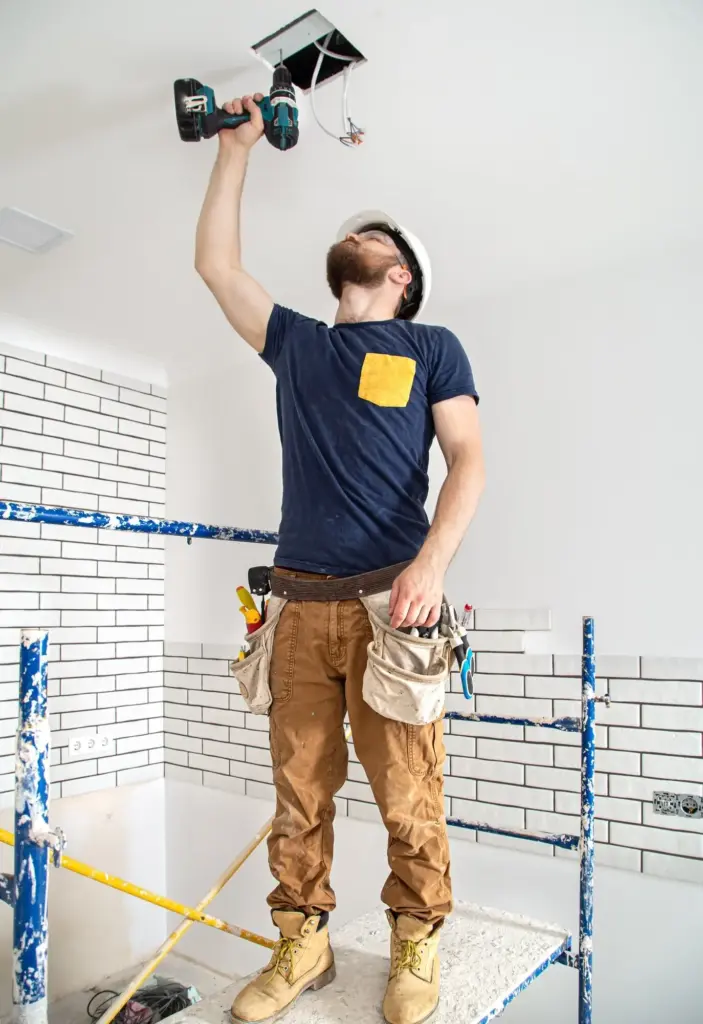
Modern Ceilings on a Smart Budget

We’re diving into a cost comparison of planks, panels, and drywall for a modern ceiling style, translating price tags into real decisions. Expect practical ranges, labor insights, and maintenance considerations, plus small stories from renovators. Use these notes to frame quotes, avoid surprises, and choose confidently for beauty, durability, and value.

What Drives the Final Price

Materials at a Glance

Typical material-only ranges often look like this: drywall around $0.60–$1.20 per square foot, modular panels $1.50–$4.00, and wood or engineered planks roughly $2.50–$8.00, though premium species climb higher. Installed totals might run about $2.50–$5.00 for drywall, $3.00–$7.00 for panels, and $5.50–$15.00 for planks. Regional pricing, shipping, and finish quality can significantly shift these figures, so verify locally.

Labor and Time Reality

Typical material-only ranges often look like this: drywall around $0.60–$1.20 per square foot, modular panels $1.50–$4.00, and wood or engineered planks roughly $2.50–$8.00, though premium species climb higher. Installed totals might run about $2.50–$5.00 for drywall, $3.00–$7.00 for panels, and $5.50–$15.00 for planks. Regional pricing, shipping, and finish quality can significantly shift these figures, so verify locally.

The "Invisible" Extras

Typical material-only ranges often look like this: drywall around $0.60–$1.20 per square foot, modular panels $1.50–$4.00, and wood or engineered planks roughly $2.50–$8.00, though premium species climb higher. Installed totals might run about $2.50–$5.00 for drywall, $3.00–$7.00 for panels, and $5.50–$15.00 for planks. Regional pricing, shipping, and finish quality can significantly shift these figures, so verify locally.

Design Choices That Shift Costs
Modern aesthetics can be minimal, geometric, or warmly textured. Each direction influences complexity and therefore expense. Clean drywall planes look seamless but require meticulous finishing; modular panels support crisp lines and access; planks bring character and rhythm. Coffers, reveals, concealed tracks, and integrated lighting elevate presence and price. Balance statement moments with disciplined simplicity to preserve both drama and budget sanity.
Recessed cans, slim LEDs, linear grazers, and backlighting transform ceilings while reshaping costs. Drywall often needs careful pre-routing and patch-friendly planning. Panels welcome removable tiles for easier adjustments. Planks may demand notched boards and extra blocking. Factor electrician time, driver placement, dimmer compatibility, and heat management. Decide early to avoid rework, coordinate switch locations, and reserve allowance for future lighting experimentation.
Open plans and hard floors amplify echoes. Perforated acoustic panels, high-density backers, or resilient channels under drywall can tame reverberation. Planks soften sound through texture but might need additional insulation for real gains. Acoustic improvements carry a cost but elevate comfort and clarity in living rooms, offices, and studios. If you take calls or stream often, budget meaningful acoustic intent from day one.
Bathrooms, basements, and kitchens challenge materials with humidity and splashes. Moisture-resistant drywall, PVC panels, or sealed planks prevent swelling and stains. In multi-family buildings or near mechanical spaces, fire-rated assemblies may be required. These ratings affect thickness, fasteners, and labor methods. Choosing appropriate certifications raises upfront cost but protects safety, durability, and compliance, saving stress and money by avoiding code-related changes later.

DIY or Hire Pros?

Your skills, patience, and available tools can meaningfully shift the final bill. Ambitious DIYers can save on labor, yet mistakes, waste, and delays can swallow those savings. Pros bring speed, dust control, and finish quality that photographs well. Compare your tolerance for disruption with desired outcomes. When timelines, warranties, resale expectations, or complex integrations matter, experienced installers often justify every additional dollar.
Drywall demands panel lifting, seam finishing, and a feel for feathering edges. Panels install with layout precision, cutting accuracy, and grid alignment. Planks require consistent spacing, saw safety, and finishing discipline. Add ladders, lifts, respirators, sanders, and lighting. If practice scraps and rough patches discourage you, consider targeted professional help for hardest tasks while you handle painting or cleanup to balance costs.
Drywall finish work generates dust, requires multiple passes, and interrupts daily routines. Panels reduce mess but involve careful positioning and ceiling access. Planks are tidy yet time-intensive, especially around obstacles. If family, pets, or remote work share the space, quantify downtime honestly. Sometimes paying for an efficient crew shortens disruption, protects furnishings, and preserves your momentum, which is priceless during larger renovations.

Longevity and Total Cost of Ownership

Cleaning and Maintenance Rhythm

Smooth drywall wipes easily once cured and painted with washable finishes. Panels, especially PVC or laminate, shrug off splashes and fingerprints, ideal for kitchens and entry corridors. Planks need dusting and occasional resealing depending on species and exposure. Choose finishes that match reality, not aspiration. If little hands, pets, or renters share your space, predictable cleanup routines will quietly earn their keep every month.

Refinishing and Updates Over Time

Drywall invites color refreshes without replacing the surface. Panels can be swapped selectively to fix damages or introduce texture changes. Planks accept stains or clear coats to evolve tone with trends. Budget occasional refreshes so your modern ceiling stays modern. A small reserve for touch-ups, new trim, or subtle lighting shifts helps your design respond gracefully to new furniture and life phases.

Access for Repairs and Future Upgrades

Panels shine when you need to reach valves, junction boxes, or low-voltage hardware, keeping maintenance costs predictable. Drywall can include discreet access hatches, but frequent service still means cutting and patching. Planks permit selective removal with care. If your home is technology-heavy, integrate access points early. Spending modestly now averts expensive tear-outs later when adding speakers, sensors, or smart lighting drivers.

Three Real-World Budgets

Numbers feel real when they meet square footage and goals. These snapshots are illustrative and vary by region, supplier, and crew availability. Use them to calibrate expectations, not as bids. Always gather multiple quotes, compare scopes line by line, and confirm what is included: prep, finish, cleanup, and disposal. Then tailor choices to your space, schedule, and comfort with risk.

Sourcing Smart and Building Green

Request documentation for recycled content, formaldehyde limits, and forestry certifications. Ask distributors about regional mills or plants to reduce transport emissions and delays. Seek manufacturers who publish Environmental Product Declarations. Transparent supply chains usually signal consistent quality. When schedules slip, reliable partners help substitute wisely without cost explosions. Your ceiling can express modern style and responsible values simultaneously with a little due diligence.
Sketch full-scale layouts before ordering. Align panel or plank spans with joist spacing and fixture locations to minimize complex cuts. Order a prudent overage for mistakes without overstocking. Reuse offcuts in closets or utility rooms. Coordinate deliveries to reduce damage. Smart planning preserves money, avoids landfill trips, and shortens timelines. Share your layout tricks and lessons; someone else will dodge the same pitfalls.
Panels can be reclaimed for workshops or garages; wood planks often enjoy a second life as shelving or accent walls. Drywall recycling programs exist in many regions, turning gypsum into new products. Label spare tiles and store well for future repairs. Considering exit strategies at purchase time reduces waste, protects future budgets, and reflects a thoughtful, modern approach to building responsibly and beautifully.
Viperipepitoxovoro
Privacy Overview

This website uses cookies so that we can provide you with the best user experience possible. Cookie information is stored in your browser and performs functions such as recognising you when you return to our website and helping our team to understand which sections of the website you find most interesting and useful.